
Lead and scale your best
Often the real reason is people, not technology. The solution lives in the human–AI coadaptation: knowing where AI reaches its limits and the role of a qualified human — especially when the stakes are life and death. It takes two to tango.

Most AI doesn't fail in the lab — it fails to scale past the pilot, from one team to the enterprise. And the binding constraint is usually people, not the model. What proves out, we help you scale — by keeping and growing the humans who make it work.
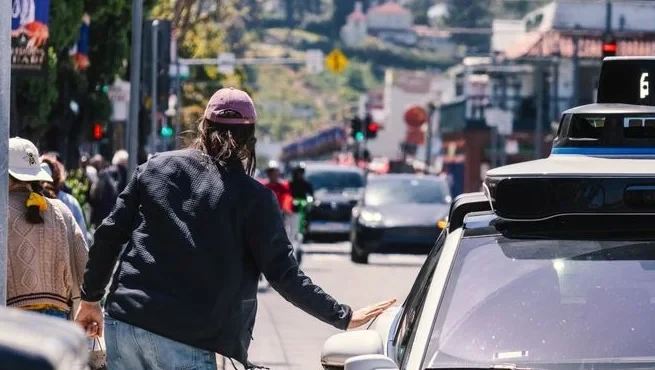
Ethical decision-making in autonomous systems
Our research modeled what makes a driver intervene when an autonomous vehicle faces an ethical dilemma — and found personal morality, not the machine’s logic, is the dominant factor.
Polk (2019). Senators, solicitors, or scientists: Deterministic programming for ethical decision-making in autonomous systems (doctoral dissertation; Wenli Wang, chair).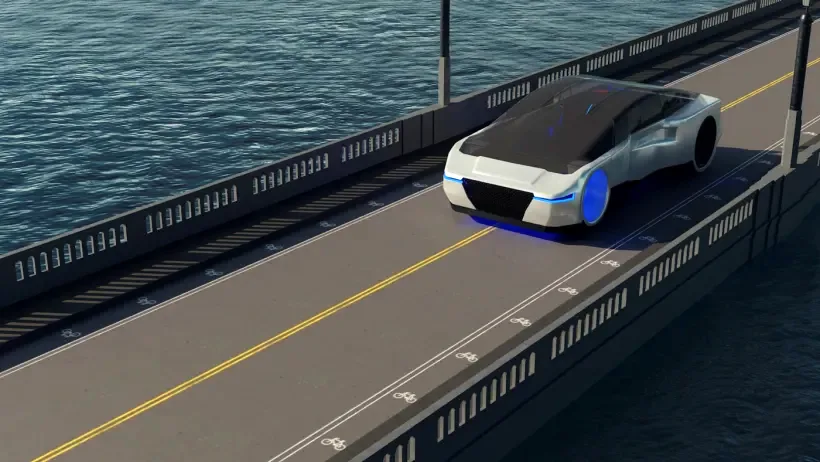
Human + AI co-adapt, human-in-the-loop
Our research on fully automated (Level 5) vehicles argued for shared control — a human in the loop — and found that as the AI takes on harder cases, human competencies must advance alongside it, not disappear.
Bright (2023). Human and technology factors in fully automated autonomous vehicles (doctoral dissertation; Wenli Wang, chair).
Trust & empower the experts
Top-down command is too slow for real-time cyber threats. Our research argues for adaptive, shared leadership — trusting and empowering the experts on the front line. The same shift the AI era demands.
Malakyan, Wang & Hayes (2019). 59th Annual Conference of IACIS, Clearwater, FL.
Mindful leadership-followership & co-creativity
Our research reframes leading and following as adaptive role-trading — like jazz improvisation — where mindfulness fuels co-flow, and co-flow yields co-creativity. The same tango now maps onto human and AI.
Wang & Malakyan (2020). The Routledge Companion to Mindfulness at Work. Routledge.